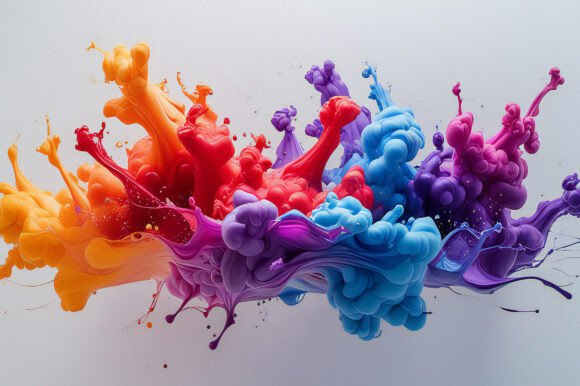
A Red and White Liquid Background: A Versatile Design Element
A Red and White Liquid Background is a visually striking image that combines the boldness of red with the simplicity of white, creating a dynamic and eye-catching design element. This high-resolution JPG file features a unique liquid texture that adds depth and movement to any project. The background is ideal for designers looking to add a modern and sophisticated touch to their work.
What Is a Red and White Liquid Background?
A Red and White Liquid Background refers to a digital image that showcases a blend of red and white hues in a fluid-like pattern. The design mimics the appearance of liquid, offering a sense of motion and texture. This type of background is often used in graphic design, web development, and digital art to create a visually engaging composition. The high-resolution format ensures that the image remains clear and sharp, even when scaled up for print or web use.
Why Consider a Red and White Liquid Background?
There are several reasons why a designer or artist might choose a Red and White Liquid Background. Its vibrant colors make it an excellent choice for projects that require a strong visual impact. The contrast between red and white creates a sense of balance and harmony, making it suitable for a wide range of applications. Additionally, the liquid texture adds a level of sophistication and uniqueness that can elevate the overall look of a design.
Benefits of Using a Red and White Liquid Background
One of the primary benefits of using a Red and White Liquid Background is its versatility. It can be used in various design contexts, including digital art, web design, social media graphics, and presentations. The high-resolution format ensures that the image is suitable for both digital and print use, making it a practical choice for designers who need a reliable background for different projects. Additionally, the instant digital download makes it easy to access and use right away.
Considerations and Tradeoffs
While a Red and White Liquid Background offers many advantages, there are some considerations to keep in mind. The bold colors may not be suitable for all design projects, particularly those that require a more subdued or minimalist approach. Additionally, the liquid texture could be overwhelming if not used appropriately. Designers should consider how the background interacts with other elements in their composition to ensure a cohesive and balanced result.
Situations Where It Fits Well
A Red and White Liquid Background is well-suited for projects that require a strong visual presence. It works well for invitations, posters, and business cards where a striking design is essential. The background also enhances product mockups and branding materials, providing a professional and polished look. For social media content, this background can help capture attention and stand out in a crowded feed. It is also a great option for scrapbooking and digital art projects that benefit from a unique and dynamic background.
When Alternatives May Be Better
In some cases, alternatives to a Red and White Liquid Background may be more appropriate. For example, if a design requires a more subtle or neutral tone, a solid color or gradient background might be a better choice. Similarly, if the project involves a lot of text, a simpler background could improve readability. Designers should evaluate the specific needs of their project and consider whether the liquid texture and bold colors align with their goals.
Practical Decision-Making Insights
When deciding whether to use a Red and White Liquid Background, designers should assess the purpose of their project and the intended audience. If the goal is to create a bold and memorable design, this background can be an effective choice. However, if the focus is on clarity and simplicity, a different background may be more suitable. It is also important to test the background in different contexts to see how it performs in various applications.
Conclusion
A Red and White Liquid Background offers a unique and versatile option for designers looking to enhance their creative projects. Its high-resolution format, compatibility with major design software, and ability to add visual interest make it a valuable resource. However, it is important to consider the specific needs of each project and determine whether this background aligns with the desired outcome. By carefully evaluating the benefits and limitations, designers can make informed decisions that support their creative goals.